History of Kashmir, the most beautiful place on earth
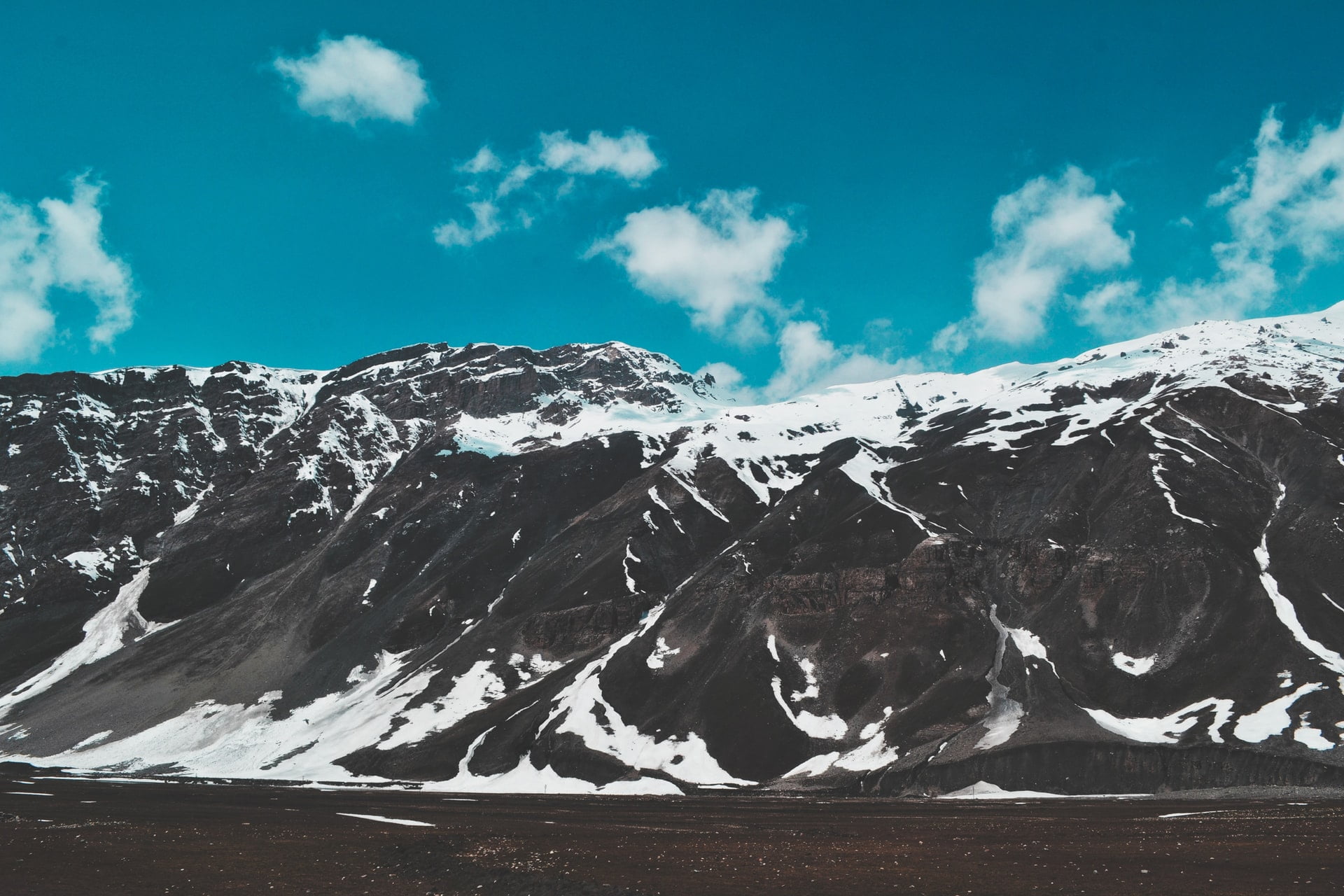
Jammu & Kashmir, once considered to be a heaven on earth, turned out to be a breeding ground of radical elements. The pleasant atmosphere is subjugated to militancy. Insurgency deteriorated the serenity of Kashmir, and armed forces became frequent visitors instead of tourists to Kashmir.
Let us see the history of Kashmir right from its etymology to why it has come to its current status.
Etymology
According to Hindu mythology, the word Kashmir is derived from the ancient sage called Kasyapa, who drained the lake and asked the people to settle there. Later, it was called Kashyapapura and then Kashyapa mir and finally became Kashmir. Kalhana, in his Rajatarangini, mentioned that Kashmir was once a lake. And Kashmir means desiccated land in Sanskrit.
Jammu derived its name after the ancient ruler Jambu Lochan. He decided to build a city Jambupura on the banks of river Tawi. Eventually, it became Jammu. The capital city during winter is now Jammu, while Srinagar is considered as the Summer capital.
History
It dates back to the neolithic age (7000-3500 BC), and pottery, tools, and dwellings were explored in many sites in Kashmir. Later Vedic Period observed the expansion of tribal kingdoms with great importance. Upgrade to Basic Plan to unlock this content!This content is locked
Current status of Jammu & Kashmir
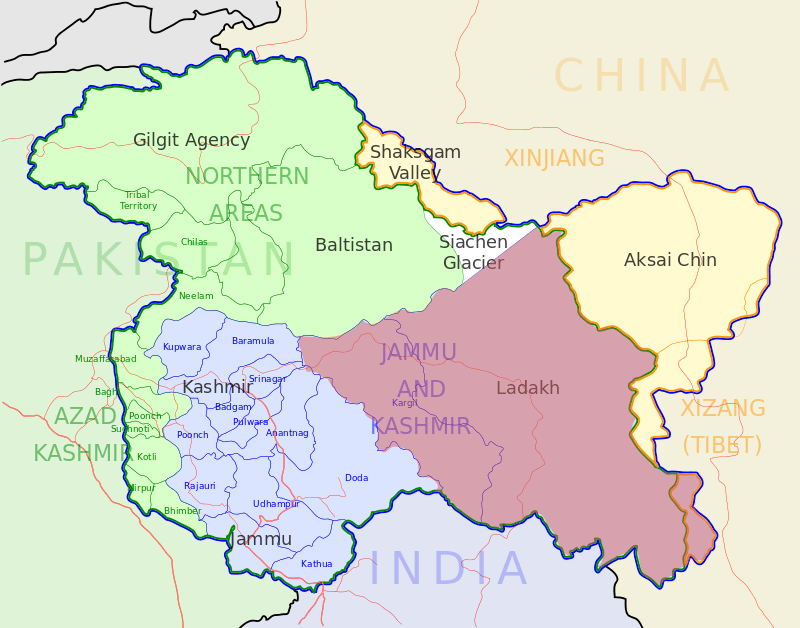
After being occupied by Pakistan and China, the leftover part of Kashmir in India is less than 50% of the erstwhile princely state of Jammu & Kashmir. Currently, Jammu & Kashmir is separated from Ladakh and made those two regions as Union territories in 2019.